

Cooling of, watching the sunset.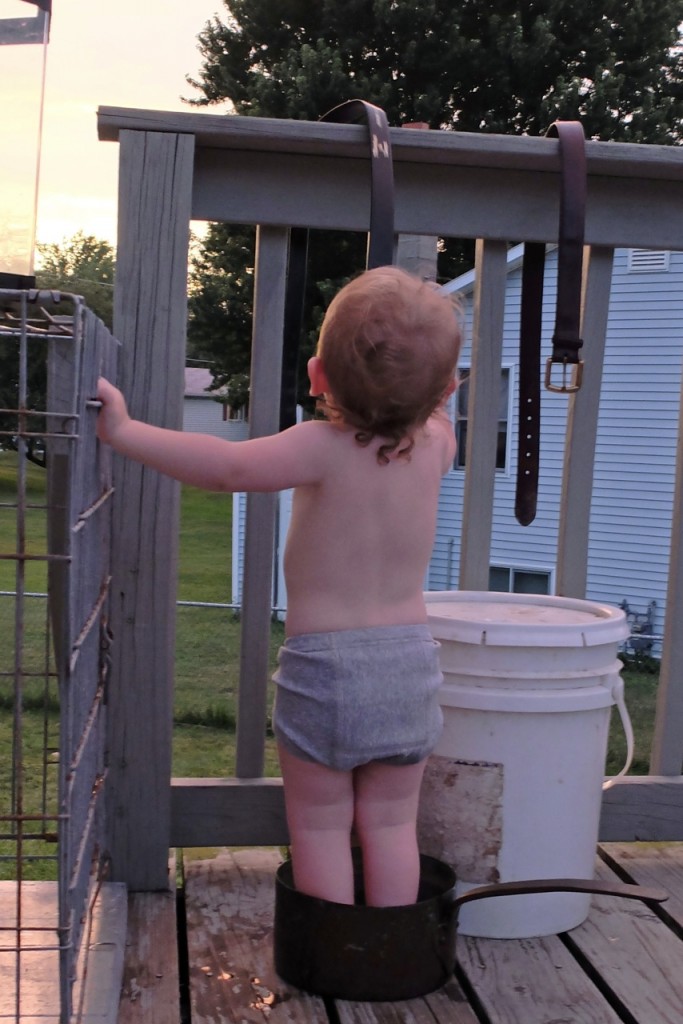
Author Archive


Copper Pot
Sombrero
We spent three hours at the beach playground today.
Iris tried on some hats.
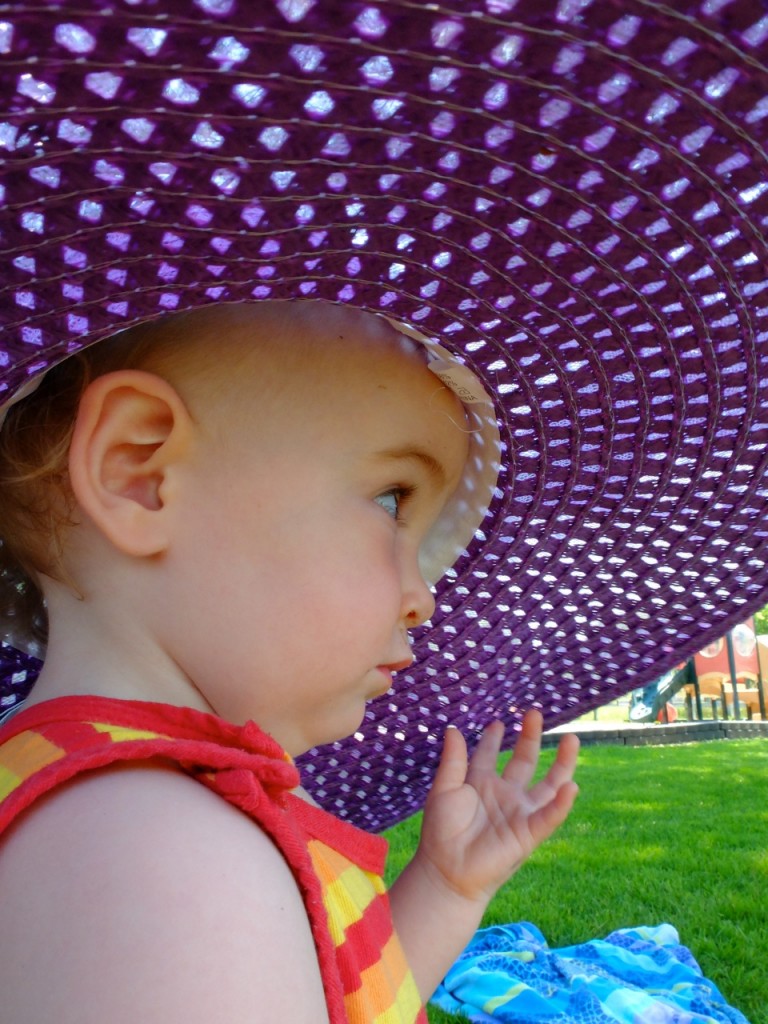
Teressa was there with her kids. This is Opal.
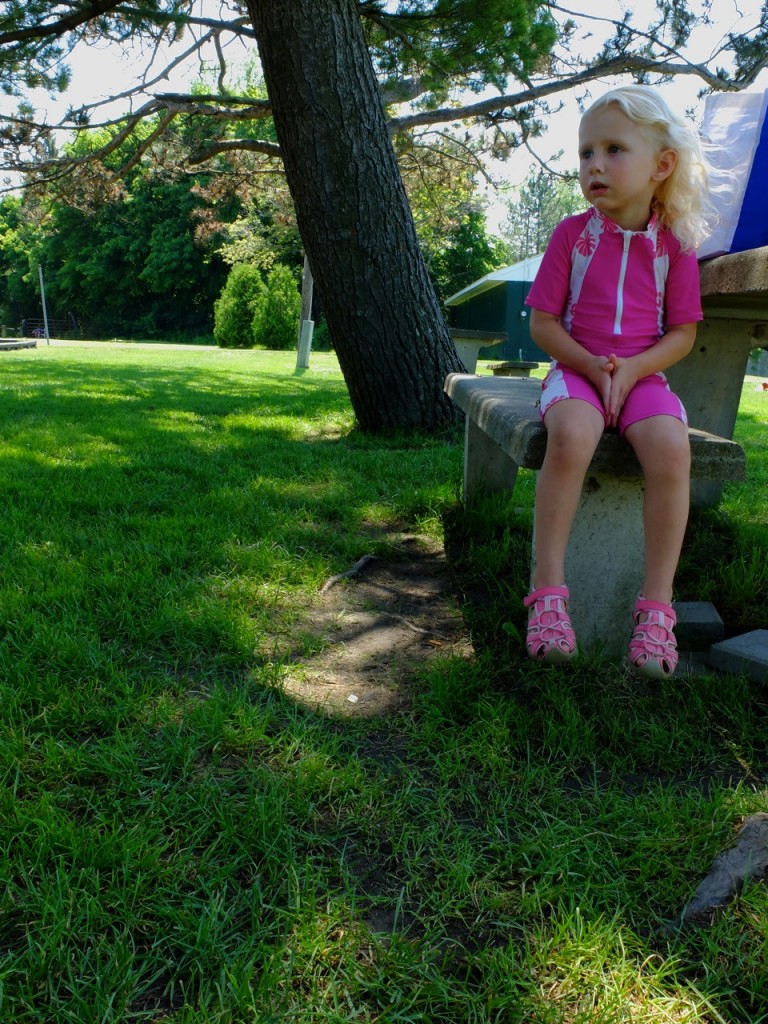
Opal gets some sunscreen.
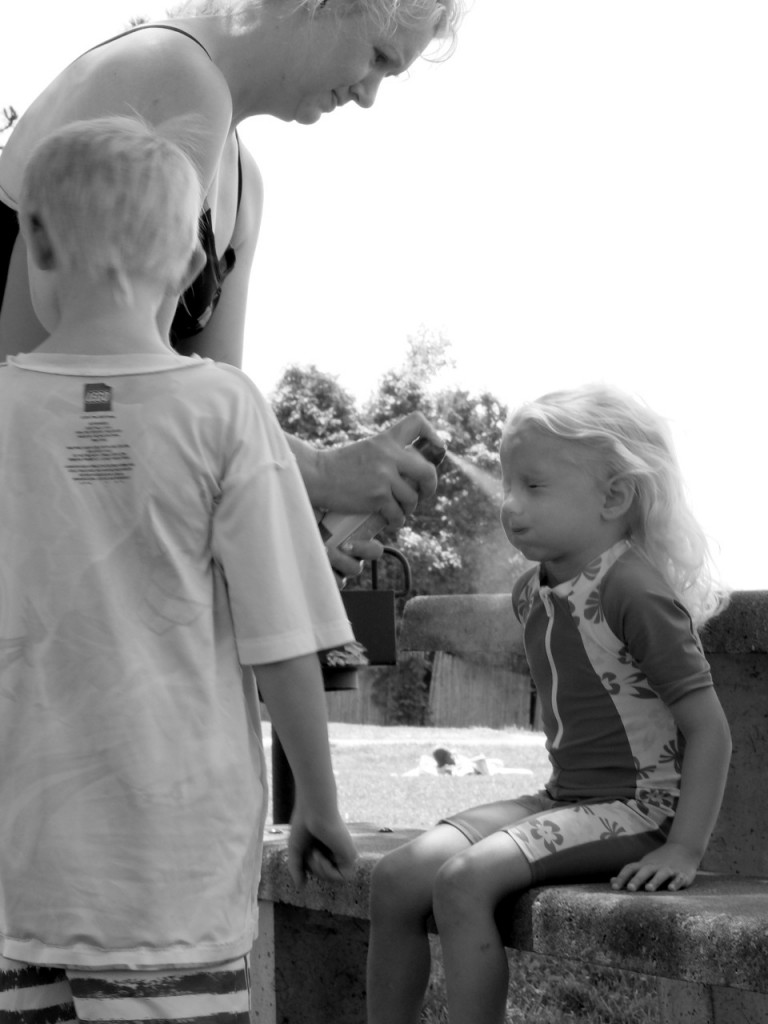
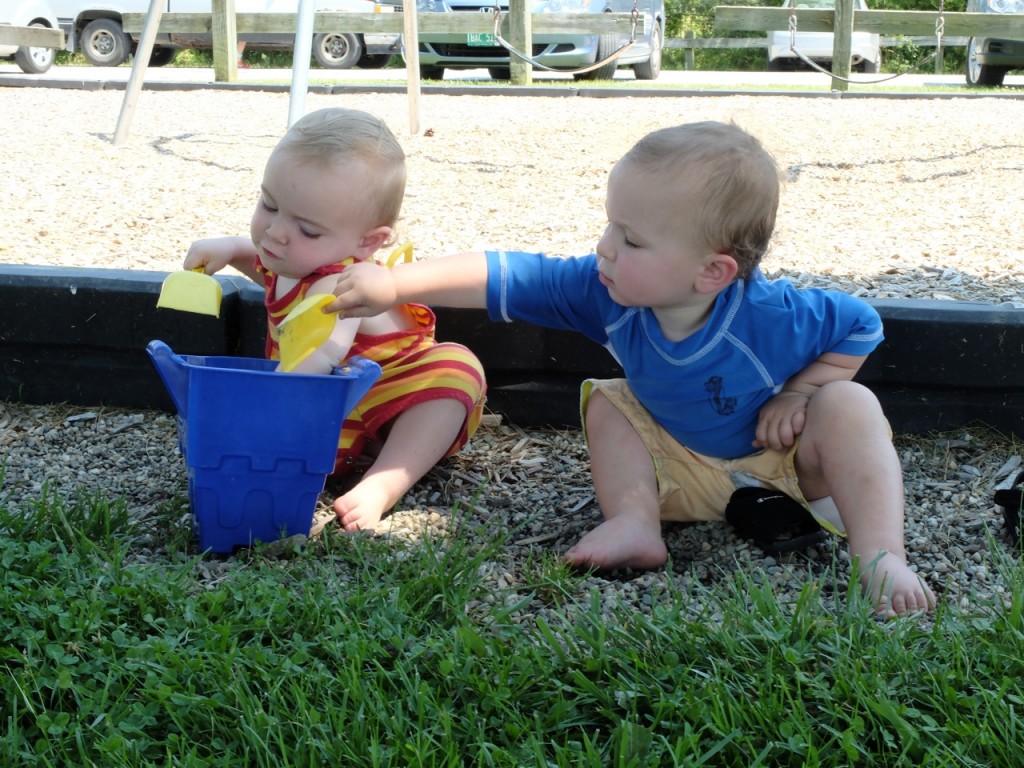
Iris & Elliot fill a bucket with pebbles.
New Camera
Fujifilm x20.
I am in love.

Tragedy of the Colonies
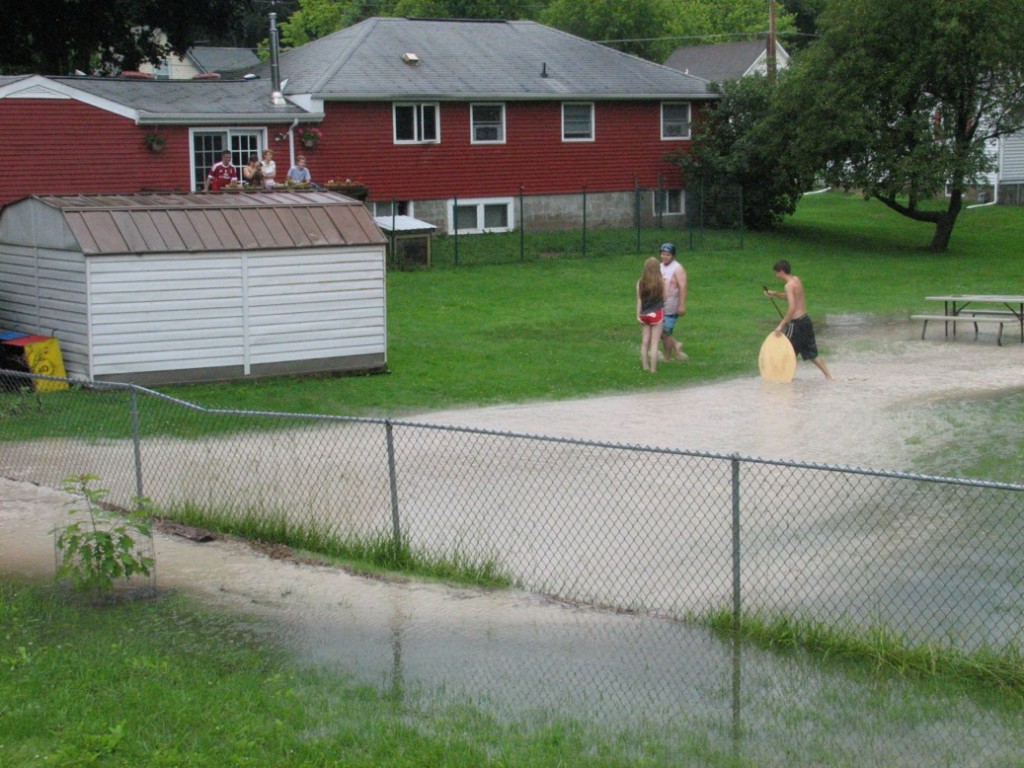
Here are some photos documenting todays flood in my yard which washed away my mulch pile and my wood pile and my ash pile and my new lawn fishes which I had just purchased recently to swim around and eat all the lawn mosquitos.
It was really sad because the whole lawn was flooded and everyso often I saw the remains of an ant colony clinging for dear life to a grass tip, clustered in a bundle around their queen and a few tiny white babies. All the ants were flooded out of their homes. Thousands died. I really like my ants. I was really sad. I didn’t get any pictures of them, tho. Iris was napping and I had a lot of work to do. I sent Ari back out but she failed to photograph them due to failing light. My neighbors had a river flowing into their basement. Compared to the ants and my neighbors, we’re pretty dry inside.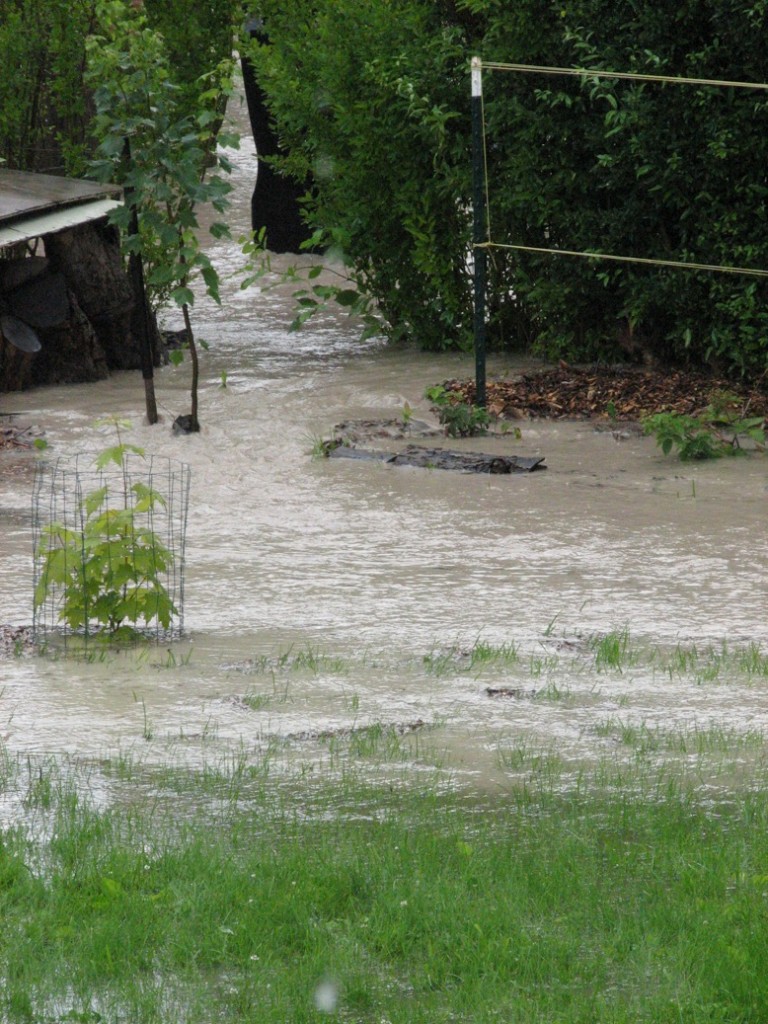
Brief Photo Essay
starring:
Joshua Daniel Hack
Cate’s Camera
&
Recent Rain
a tragedy in four parts
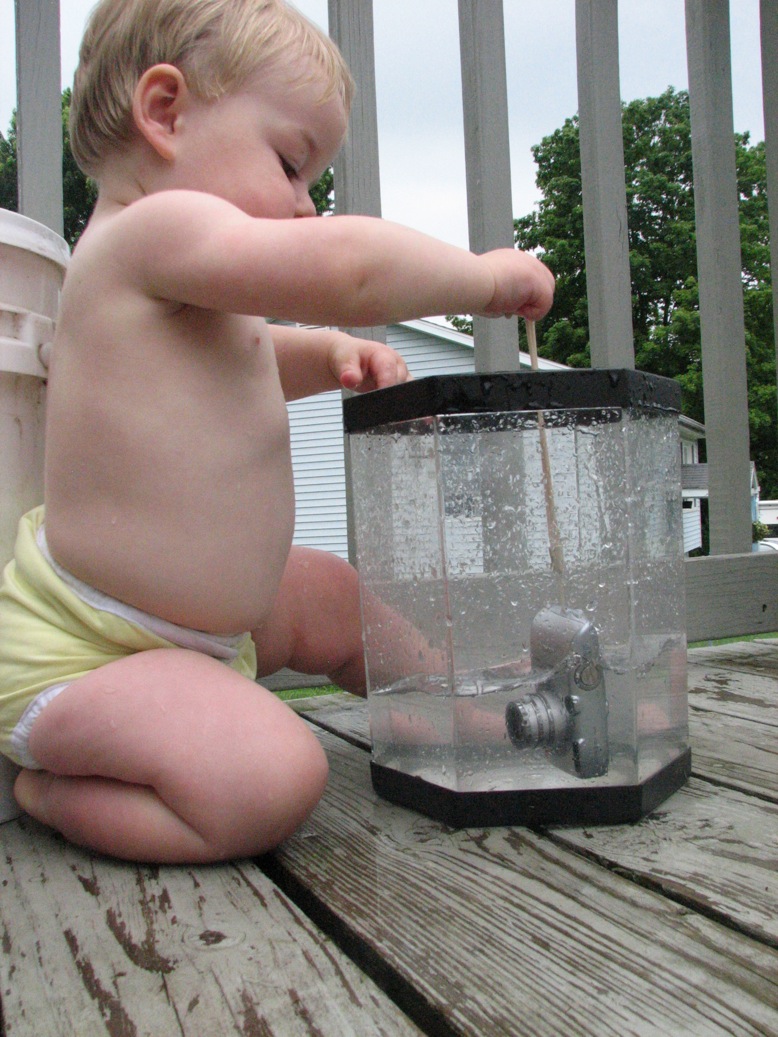

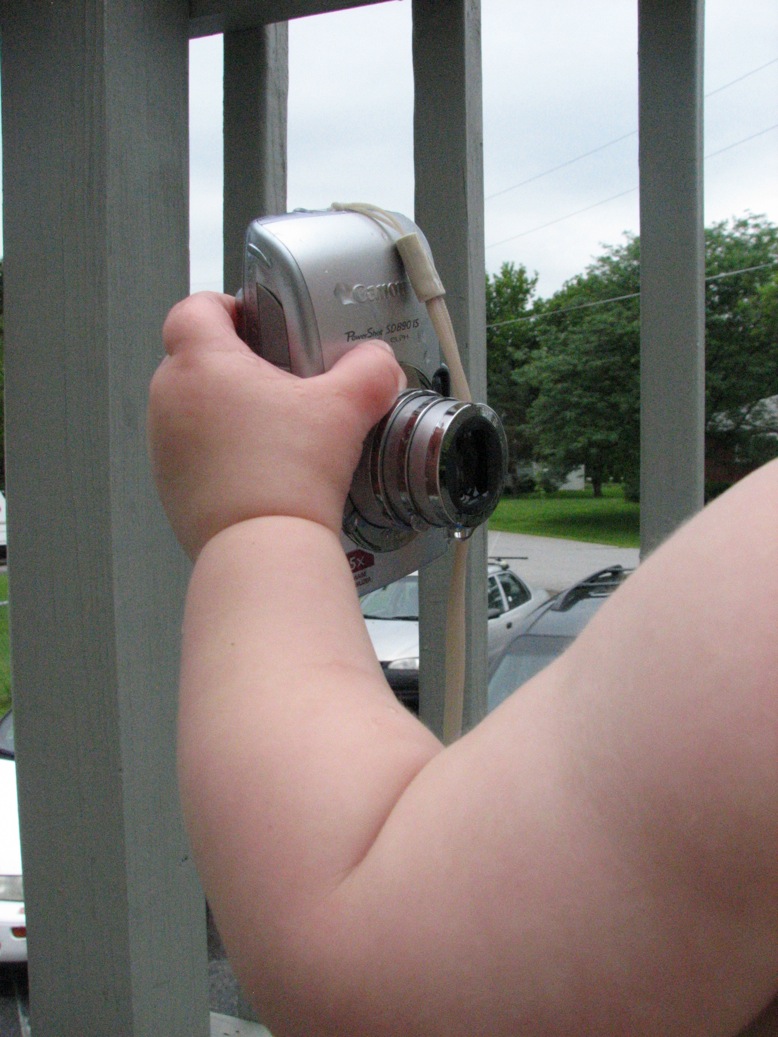
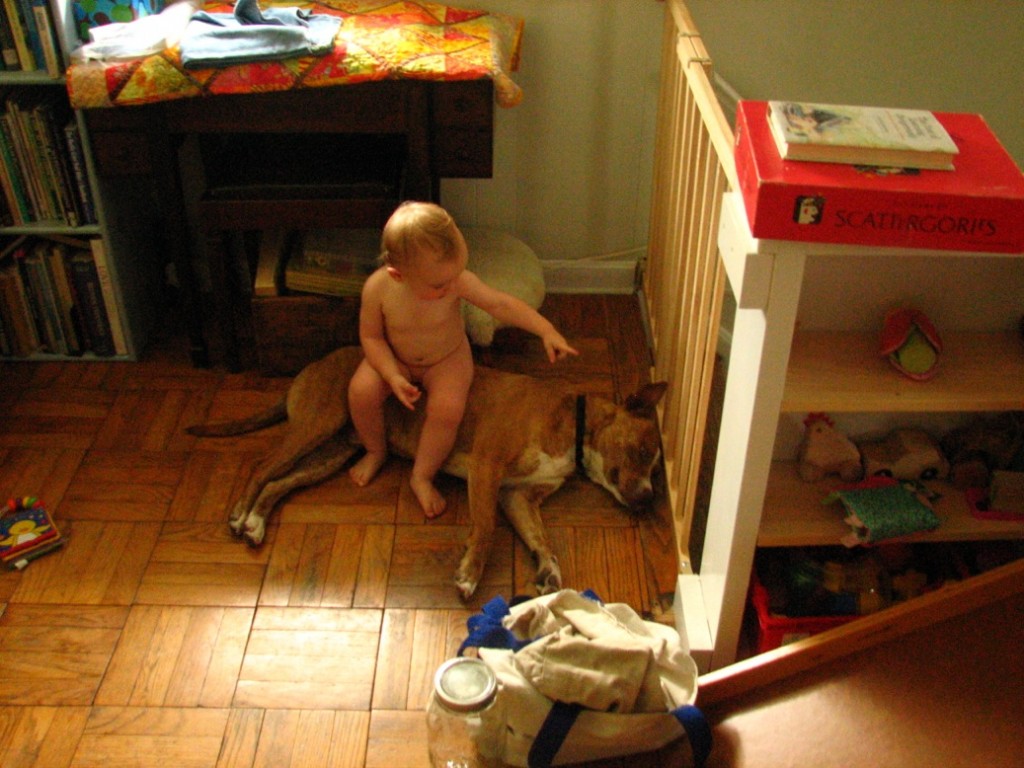
Death — Niki de Saint Phalle Tarot Cards
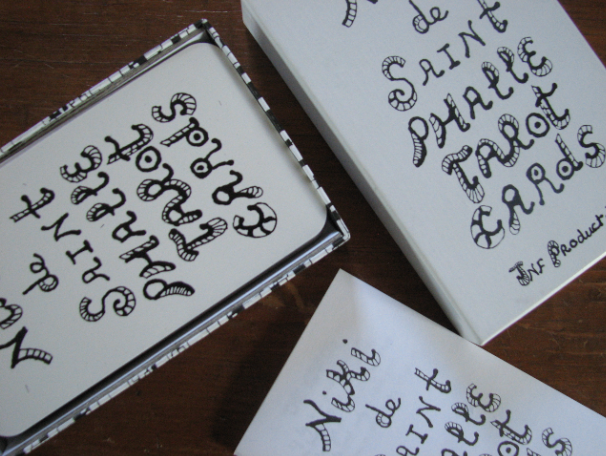
I have recently acquired, via moolah, the Nikki St. Phalle tarot cards. I first encountered this deck ages ago, when it was newly released. At that time I decided that I only wanted 78-card decks, which remains true, for the most part. With this purchase, I feel as if my unintentional collection is complete. At least for now. Now I want to buy a really expensive camera.
* * *
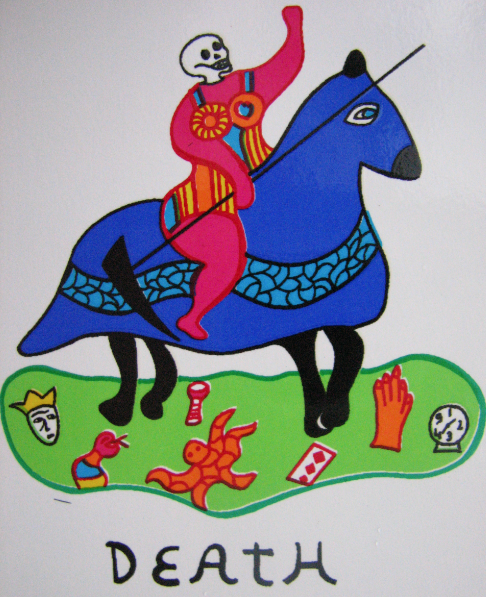
One of the main ways cultures around the globe deal with death is through ritual and religion. In my family, discussion of religion generally progressed something like this:
Setting: Yellow 1977 VW bus, long road trip. External reference to apostles.
Me: “What’s an apostle?”
Mom (to me): “I think the four apostle were named Peter, Paul, Luke and John.” (to my father): “Is that right Paul?” (My mom was born of Jews.)
Dad: (noncommittal grunting sounds indicating probable ignorance.)
Me: “But what did they do?”
(pause)
Mom: “Paul? You went to Catholic school.”
Dad: (emphatic grunting sounds indicating definite ignorance)
Me: “Nobody knows what they did?
Dad: “Exactly. Nobody knows what they did.”
* * *
Eventually, I asked my mother why she brought us up without teaching us about religion. “I taught you about compost,” she replied. “Birth, death and regeneration all right there. Isn’t that religion?”
Eat food. Put scraps in the Temple of Compost. Visit the Temple, turn the pile. Wait. Add scraps. Visit. Turn. Add. Wait. Visit. Turn. (Winter. Spring.) Plant garden. Add compost. Repeat. Is it religion?
I sincerely believe in compost. I have never, in all my wanderings, put my foodstuffs into the trash. My younger sister and I speak in hushed tones about stealth composting systems we have developed for honoring the biodegradable potential of uneaten edibles while living in urban areas where there is seemingly no place where one can decay in peace. Hush, hush. Let it rot.
There is no dogma. There is no incontrovertible truth other than the truth of potential. The only absolute is the absolute potential for Death to bring forth new life. This is what we must honor; this is what we must facilitate.
Denying Death, denying waste, denying that which we see as unwanted or unusable or trash does not make it disappear. Putting trash someplace where we cannot see it does not make it disappear. Turning our heads away from Death does not make Death disappear. Turning our heads from Death causes Death to linger, haunting future generations with illness and waste.
Stockpiling Death does not make death go away. We stockpile Death in wastelands caused by pollution dumped through unseen “necessities” of modern life such as waste disposal, mining, demolition, concentrated animal feed operations, driving and roadbuilding (unseen, yes, because we ignore the waste), hospitalization, and so on. When waste is ignored, Death wins. When the potential energy of “waste” is honored and movement toward this potential is facilitated, we need not fear Death. This is the religion.
Death — Vertigo Tarot
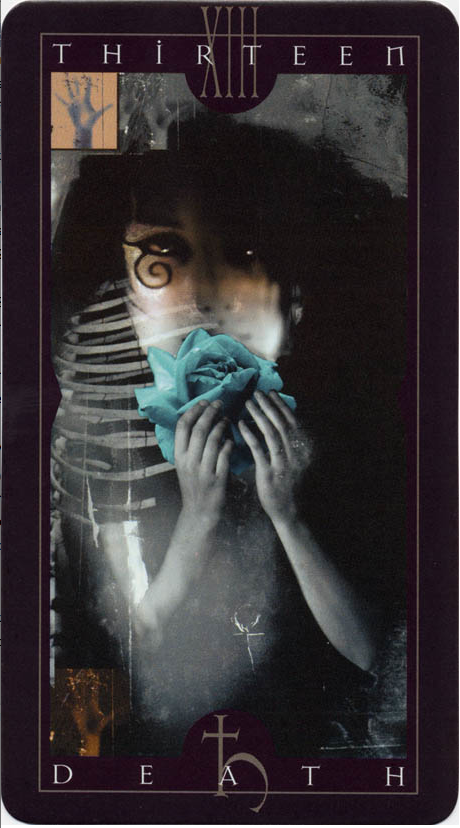
Having come to a temporary halt on this blog, I’ve seriously been trying to work on the book for this deck. I’m taking all the entries and putting them in order to see what I have. What I have, it seems, is sort-of like a scrap-book. It’s interesting and eclectic. Sometimes, I spend a lot of time writing and I’m sure, in the end, what I have written won’t make it into the book. Research for a folk-tale for arcana #13 is one example. I wanted to find a folk-tale about a man who had tricked Death. The following story is such a tale. I like how the boy in the story is the 13th child and how the man turns down god as a godfather. I like how easy it was for him to trick Death— once. But of course, in the end, Death always has the upper hand. Anyhow. I don’t think I’ll put it into the book, so I hope someone here reads it and finds it amusing. It took a lot of time to pare down the story into something fun and brief. It is called—
Godfather Death*
Once upon a time there was a poor old man who had twelve children. When a thirteenth was born he did not know where to turn for help. He ran out into the highway to ask the first person whom he met to be the godfather.
First God came walking down the road. He said to the man, “I pity you. I will hold your child at his baptism, and care for him, and make him happy on earth.”
“I do not wish to have you for a godfather,” said the man. “You give to the rich, and let the poor starve.”
The man went on his way.
Next the devil came down the road. “If you will take me as your child’s godfather,” said the devil, “I will give him an abundance of gold and all the joys of the world.”
“I do not wish to have you for a godfather,” said the man. You deceive mankind and lead them astray.”
He went on his way.
At last came Death, walking on withered legs. “Take me as your child’s godfather,” he said, “for I make everyone equal, without distinction. He who has me for a friend cannot fail.”
The man said, “Next Sunday is the baptism. Be there on time.”
Death appeared as he had promised and held the child at baptism.
When the boy grew to a young man, Death took his godchild into the woods and said to him, “Now you are to become a doctor. Pay attention when you are called to a sick person. If I am standing at his head, let him smell from this flask, then anoint his feet with its contents, and he will regain his health. But if I am standing at his feet, I will soon take him. Do not attempt to begin a cure.” With that Death gave him the flask, and the young man became a renowned doctor.
Once, he was summoned to the king, who was suffering from a serious illness. When the doctor approached, he saw Death standing at the king’s feet. His flask would be of no use. But it occurred to him that he might deceive Death. He took hold of the king and turned him around, so that Death was now standing at his head. It succeeded, and the king regained his health.
After the doctor returned home, Death came to him with a grim face. “If you ever again attempt to deceive me, I shall wring your neck,” said Death
Soon, the king’s beautiful daughter took ill. No one on earth could help her. The king wept day and night, until finally he proclaimed that whoever could cure her could have her as a reward. The doctor came and saw Death standing at her feet. Astonished at her beauty, he forgot the warning, turned her around, let her smell from the healing flask, and anointed the soles of her feet with its contents.
He had scarcely returned home when Death seized him and carried him to an underground cavern. There, the physician saw thousands and thousands of candles burning in endless rows, some large, others medium-sized, others small. Every instant some died out and others were lit. Little flames jumped about in constant change.
“These are the life-lights of mankind,” said Death, then pointed to a little stump that was just threatening to go out. “There is yours!”
“Oh, dear godfather,” said the horrified physician, “light a new one for me that I may enjoy my life and become king and the husband of the beautiful princess.”
“I cannot,” answered Death, “for one must go out before a new one is lighted.”
The physician immediately fell into hands of Death.
*Re-told from Children’s and Household Tales— Grimms’ Fairy Tales, Berlin, 1812 & 1857, Tale no. 44. The Grimms’ source: Marie Elisabeth Wild (1794-1867). Variations of the tale are found dating back to 1553.
The Lovers — Tarot of the Absurd
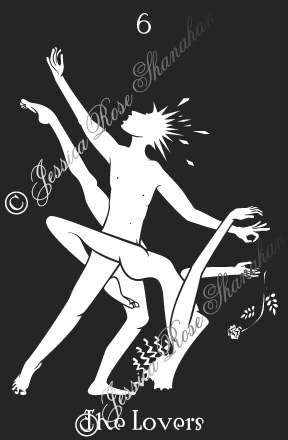
Back when I had time to go to yoga class, I used to take Ashtanga with a teacher who liked to sing and tell stories. I like to listen in challenging postures. I went often as I could.
One time, she told a creation story about how, before anything existed, there was nothing. Or maybe she said, before all things existed, everything was one thing. Anyhow. Either way, being that there was nothing to compare anything to, debating whether there was one thing or nothing is moot. We will call it homogenized. It was No-One-Thing.
Eventually and all at once, the No-One-Thing desired to self-reflect, but of course when there is no self because everything is so homogenous, one cannot self-reflect. To solve the problem, the No-One-Thing cracked. Split. Divided. It reflected itself, and then there were Two. Two! One became Two! Oh, but as soon as there were Two, they wanted to be One. So they made love. Mmm, mmm, mmm. And from their making love, all the universe and all that ever was or ever will be came into existence. Divine Bliss.
She told the story years ago and I was trying to attain one difficult posture or another, and that’s mostly all I could remember. I know it is a Tantric creation story. I know that the highest form of making love is to do so in a way that one’s actions become a prayer to god, that that it becomes a form of partner meditation in an attempt to re-create the world. It is possible. So I wrote my teacher a note and asked what the story was.
Shiva and Shakti, she wrote back. She will tell the story to me again, provided we can find a moment within this universe that belongs to the two of us. It is there, this moment, we just need to find it. Meanwhile, unwilling to wait the possible eons that reunion could require, I read all sorts of stuff on line. Nothing I found compared to the sensuality of her telling. The best website I found is here. I read it at least a dozen times. It’s circuitous, but then, so is all creation.
Eventually, I wrote the following—
A Shiva-Shakti Creation Story
Jessica Rose Shanahan
In the beginning,
all was darkness
hidden by darkness
in an ocean without consciousness.
A principle without limitation,
the One lived without breath:
Unmanifest.
And then— a throb.
Desire moved the primal seed of Mind.
Vibration throbbed within the One.
Energy swelled. A quickening!
A pulse! And fragmentation
broke the One-ness One of Universal Being.
Action exploded: the One split!
Shiva, desiring to know his mind,
engaged in self-reflection, split!
Shakti pulled from Shiva;
Desire pulled from Mind.
The universe pulled itself in two.
Mother! Father!
The first sound.
One became Two.
Shakti, torn from Shiva;
Shiva and Shakti:Two.
No longer Shiva-Shakti.
But as soon as they were separate,
the Mind chased his Desire.
O!
Shiva after Shakti:
the Mind chasing Desire.
As soon as they were separate
they wished to re-unite.
Shiva after Shakti:
the Mind chasing Desire.
And O! He caught her.
O! Mind, at One with Desire!
And yes and, O! And how,
when their bodies moved together, dancing,
universes came and went,
expanded and contracted
according to their play.
Shiva. Shakti. Play.
They moved in love like
ribbons of light interweaving,
aching to re-join.
And from their mouths emerged
the sounds of alphabets.
Exultant joy. Divine play.
Manifestation.
From the womb of Shakti:
all the forms of gods and goddesses
and all the worlds that ever were or will be
and everything to fill them: all creation.
Universes come and go.
Universes come and go.
The lovers’ dance is all creation.
On how Writer’s Block Never Occurs when One Does Not Have Time to Write
(I admit, this blog has been slow of late.)
In my ignorance, I used to think my mom-friends had tons of time on their hands because they did not spend eight hours a day at a job that contributed to the GNP. I used to think things like, “She just has one kid; how much work can it be?” Of course, on some level, I must have known: I put off having children until I was 38 mostly due to time constraints.
Since my last post, nearly two months ago now, I’ve spent a lot of time organizing poetry and reading years and reams of words. I learned how to make a table of contents and to use section breaks in a document, to make left & right pages, and the use of having at least a dozen styles. Then I realized I ought to spend some time organizing my blog entries and seeing what I have got for a book for tarot— as that is really the point of this whole exercise. I seem to have hit a wall in terms of writing, but everything else is just procrastination.
In working on the book, I have to ask myself: What is the purpose of this book? What makes it different from every other companion book out there? I answer: The purpose of this book is to give myself an outlet for my writing. The purpose of this book is to explain my worldview through the framework of the tarot deck. The purpose of this book is to immerse the reader in myth and adventure, evoke laughter, provoke self-examination, and provide yet another way to view the cards. The difference is my insight, my brilliance, my refusal to conform.
I started doing everything in order. The Lovers was the first card for which I had not done an entry. Slightly ironic, I suppose, considering the previous (almost-finished-but-possibly-never-to-be-done) project. Who are The Lovers?
…To Be Continued…
(I promise)